Sweaty feet is something people don’t usually talk about, but almost everybody has to deal with it. Sweaty feet is not only uncomfortable; it can also lead to serious problems such as blisters, unpleasant smells, and other skin issues. The cause lies in a combination of biological factors and the fact that some shoes don’t help the situation at all. This article provides a deeper insight into why our feet sweat so much, potential issues associated with this condition, and some effective ways to deal with sweaty feet in shoes.
Why Do Feet Sweat in Shoes?
It Comes Down to Biology First
Each foot contains around 250,000 sweat glands, which is more than just about anywhere else on your body. This has nothing to do with shoes; it's simply how feet are built.

Shoes Make It Worse Without Meaning To
Most shoes have thick, foam soles with synthetic fabrics which do not allow much air to circulate. Therefore, the heat produced by the foot is trapped inside the shoe, which leads to even more sweating. Thus, it becomes a bit of a loop: sweat builds up, and the shoe traps it, which raises foot temperature and causes you to sweat even more.
What Excess Sweat Actually Leads To
Some sweating is normal. However, when excess sweat keeps building up, it can lead to serious problems.
-
Unpleasant smell. Sweat itself has no smell, but the bacteria break it down and produce an unpleasant smell.
-
Blisters. Constantly moist skin is softer and more likely to rub, so blisters are much more likely, especially if you’re on your feet all day.
-
Fungal infections. Fungus thrives in warm, damp places, like inside your shoes, which is part of the reason athlete’s foot is so common.
-
Day-long discomfort. Even without any of the above, simply having damp socks on all day is uncomfortable enough on its own.
How to Stop Feet From Sweating in Shoes
The good news is that you don’t have to live with this problem forever. If you are interested in knowing how to stop your feet from sweating in your shoes, the following tips will help.
Wear the Appropriate Type of Socks
Avoid cotton socks, which are designed to retain moisture instead of getting rid of it. Try wearing socks made of moisture-wicking materials such as merino wool and other synthetic sports fabrics.
Use a Foot Antiperspirant or Powder
Foot-specific antiperspirants can reduce the amount of sweat you produce in the first place, just like antiperspirant does for underarms. Foot powders work a little differently by absorbing moisture as it occurs, but both can help keep things drier where it counts.

Rotate Your Shoes
If you wear the same pair of shoes every single day, they don’t get enough time to really dry out. It makes a bigger difference than most people think to have at least two pairs of shoes to rotate between, because shoes need 24 to 48 hours to dry completely inside.
Keep Your Feet Clean and Dry Before Putting Shoes On
Bacteria and moisture build up over the course of a day. Washing your feet every day and drying them well, especially between the toes, helps keep this under control. It may sound simple, but it’s one of the most common ways to prevent sweat and odour from becoming a bigger problem than they need to be.
Choose Breathable Shoes
This is the part that is most often neglected. If the shoe doesn’t allow air to move through it, then no matter what you do with socks, powder, and hygiene, you can still end up with sweaty feet. Most shoes are built with thick, solid soles that hold in heat no matter what you have on your feet, so the shoe itself is just as important as your daily habits. This is especially important if you’re trying to figure out how to stop feet from sweating and smelling, since trapped moisture creates the conditions that lead to odour.
How Nexbie Aeroraise Helps Manage Sweat
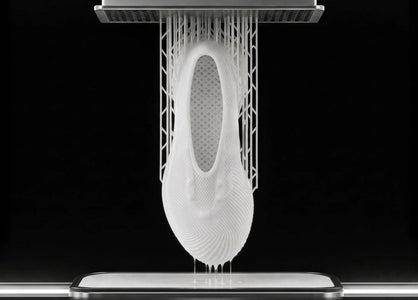
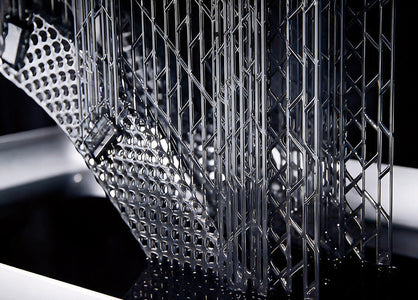
If you are looking for how to stop feet from sweating in shoes, the shoe itself needs to be a part of the solution. Aeroraise 3D-printed sneaker is built to tackle that, with a 3D-printed lattice structure instead of the solid foam base most shoes use.
-
Airflow through the sole, not just around it. The sole isn’t a solid mass but is printed with open, connected channels, so air can flow through the shoe as you walk. That constant movement helps sweat evaporate rather than pooling against your skin for hours.
-
Faster drying, even while you’re wearing it. The open lattice structure means water and sweat have somewhere to go rather than being absorbed in the shoe. This helps prevent your feet from staying in the same damp environment from morning to night.
-
No hidden pockets for sweat to collect in. Most traditional shoes are glued together from multiple layers, and those seams can create small spaces where sweat and bacteria settle over time. Aeroraise is printed as one solid piece, so there are fewer places for moisture to get trapped.
-
Less heat buildup overall. The warmer your foot gets, the more you tend to sweat, and dense foam can trap heat easily. Since the lattice structure doesn’t retain heat in the same way, your feet aren’t stuck in a cycle of getting warmer and sweating more because of the shoe itself.
If socks, powders, and antiperspirants haven’t worked and you’re still dealing with sweaty feet by noon, the shoe you’re wearing may be part of the problem. Aeroraise is designed to work with your feet rather than against them.

FAQs
Q: Why do my feet sweat so much in shoes?
A: The human feet have more sweat glands compared to the other parts of our body, while footwear retain their moisture with no exit point. Heat, synthetic materials, and spending long hours on feet may exacerbate sweating.
Q: What home remedy is good for sweaty feet?
A: Black tea is one option. The tannins in black tea have a mild astringent effect, so soaking your feet in it may help. Baking soda can also absorb moisture and reduce odour.
Q; What shoes don't make your feet sweat?
A: Shoes with open, breathable structures rather than dense foam are usually more helpful. Look for styles that allow airflow through the shoe, not just around the top of your foot.
Q: Does rubbing alcohol stop sweat?
A: Rubbing alcohol can dehydrate the skin of the feet on a temporary basis but is not fit for long-term use for sweating feet. Frequent use can result in irritation or dryness that would make foot sweat remedies a better option.
Conclusion
Sweaty feet are a common issue, and if you happen to deal with it regularly, there is nothing wrong with you. The cause of that sweat can vary, but it always comes from having too many sweat glands in your feet, in combination with shoes that keep the moisture trapped inside. There are simple measures you can take to reduce sweating, such as using special socks, foot powder, and alternating your shoes, but the problem is that the type of shoes you use plays a bigger role than you would think. The Aeroraise, designed with real airflow through its structure, addresses the problem directly rather than simply working around it.